 |
Participate in the Virtual Community
Contact Us |
Follow Us 

Join our Mailing List
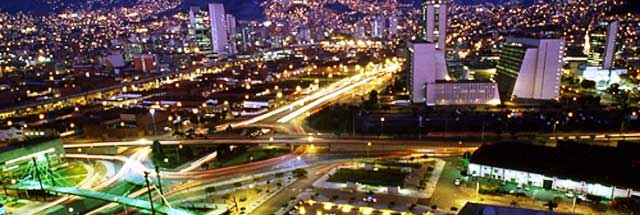
Integration of Physical Infrastructure in the Americas
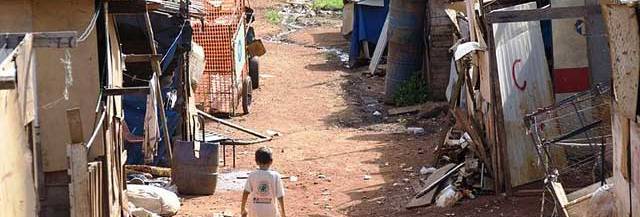
Poverty, Inequality, and Inequity
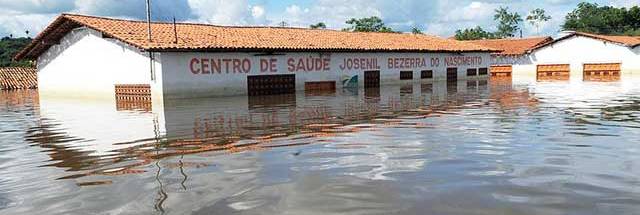
Disaster Risk Reduction and Management
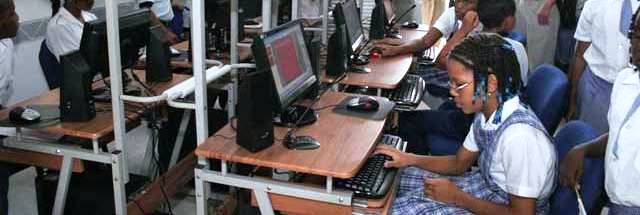
Access to and use of Information and Communication Technologies

Citizen Security and Transnational Organized Crime
| Recognize the role of the Summits of the Americas Secretariat in support of the Chair of the Summits of the Americas process in following up on and facilitating the implementation of the mandates and initiatives stemming from the Ninth Summit of the Americas and prior Summits, as well as that of the Technical Secretariat, which provides institutional memory of the process and serves as the coordinating body of the Joint Summit Working Group. (Mandate 31, Inter-American Action Plan on Democratic Governance, IX Summit of the Americas, Los Angeles, California, 2022) | ||
|
IX Summit of the Americas
The IX Summit of the Americas was held in Los Angeles, United States, on June 8-10, 2022. Under the theme “Building a Sustainable, Resilient and Equitable Future,” the Heads of State and Government adopted by consensus mandates contained in five different Political Commitments: Action Plan on Health and Resilience in the Americas; Our Sustainable Green Future; Accelerating the Clean, sustainable, Renewable, and Just Energy Transition; Inter-American Action Plan on Democratic Governance; and Regional Agenda for Digital Transformation.
EN |
ES
| |
|
During the Second Meeting of the SIRG at the Ministerial Level, held in Lima, Peru, on the occasion of the LII OAS General Assembly on October 6, 2022, the National Calendar and Working Procedures for the follow-up and implementation of the IX Summit of the Americas were approved. This document defines the creation of five Ad Hoc Technical Groups, one for each of the Political Commitments or Mandates adopted at the IX Summit. These Technical Groups bring together periodically subject-matter experts from the Summit governments to support progress in the implementation of the mandates and to report the progress made to the SIRG. In an effort to facilitate the dissemination of documents emanating from such meetings, the Summits Secretariat will be using an internal website for consultation by the delegations. |
||
|
VIII Summit of the Americas
The VIII Summit of the Americas was held in Lima, Peru on April 13 and 14, 2018. After more than thirteen years, the Heads of State and Government adopted by consensus the Lima Commitment, a document with clear and concrete mandates aimed at preventing and combating corruption as the main scourge that threatens democracies and the well-being of citizens in the Americas.
EN |
ES
| |
|
Platform of the Mechanism for Follow up and Implementation
of the Lima Commitment Adopted in 2018, it aims at recording the progress made by each participating state of the Eighth Summit of the Americas and the Joint Summit Working Group (JSWG), to meet the agreements adopted in the Lima Commitment, “Democratic Governance against Corruption.” EN | ESDatabase of Good Practices and Regional Capacities EN | ES Cooperation Initiatives Promoted by the Summits Secretariat Democratization of Information: Open Data in Preventing and Fighting Corruption EN | ES - Emerging Technologies: Prevention and Fight against Corruption EN | ES Interim Spokesperson of the Mission to Support the Fight Against corruption and Impunity in Honduras MACCIH/OAS Supreme Judge and President of the Judicial Integrity Commission of Peru Director of the Asset Recovery Unit (ARU) of the Regional Security System (RSS) of the Caribbean | ||
 Access SISCA
|
Summits of the Americas Follow-up System (SISCA)
By providing greater efficiency in the processing of information and systematization of results, SISCA serves as a useful tool in promoting greater transparency and effectiveness in the follow-up process on the Summits of the Americas mandates. It also serves as an important information database which can be easily accessed. This information demonstrates the real impact of Summit decisions and programs for peoples of the Americas. Read more... | Access SISCA |
|
 |
National Reports: 2012-2017
 Argentina
 Bahamas
 Barbados
 Brazil
 Chile
Chile Colombia
 Costa Rica
 Dominican Republic
 El Salvador
 Guatemala
 Honduras
 Jamaica
 Mexico
 Panama
 Peru
Peru Suriname
 United States
Complete List EN | ES |
Joint Summit Working Group Reports 2023 EN | ES 2021 EN | ES 2020 EN | ES 2019 EN | ES 2018 EN | ES 2017 Textual 2016 EN | ES 2015 Textual 2014 Textual |
|
About |
Calendar |
Publications |
Join our Mailing List |
Contact Us |
© Summits of the Americas
|